מרכז המבקרים של ארכיון המדינה
מרכז המבקרים של ארכיון המדינה פתוח לציבור
לפרטים נוספים
אתר האינטרנט של ארכיון המדינה פועל במתכונת מצומצמת, לנוכח מתקפת סייבר.
ניתן למצוא באתר עשרות אלפי תיקים ופרסומים, ולהיעזר בשירות חדש המאפשר חיפוש בתכנים, וכן ליצור עמנו קשר לאיתור מידע.
אולם הקריאה פתוח לקבלת יעוץ מאנשי התוכן של הארכיון ולעיון בחומרים דיגיטליים. השירות ניתן בשעות 9:00 – 15:00 בתיאום מראש.
לתשומת ליבכם
ניתן לגלוש ישירות לארכיון פרשת ילדי תימן בכתובת www.archives.gov.il/yco
ארכיון המדינה פותח את התיעוד של פרשת היעלמותם של ילדי תימן ואחרים. בחומרים מסמכים משנות ה-50 כגון רשימות ממחנות עולים, בתי ילדים, בתי חולים, וכן תיקי חקירה ופרוטוקולים של שלוש וועדות החקירה. כ-3,500 תיקים סרוקים.
לצפייה בכל המסמכים
מרכז המבקרים של ארכיון המדינה פתוח לציבור
לפרטים נוספים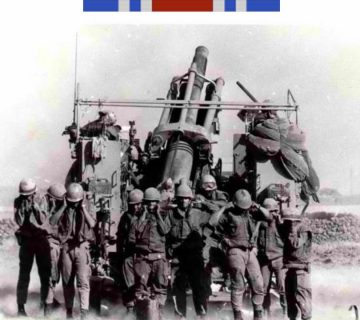
אוסף חדש הכולל אלפי מסמכים הקשורים במלחמה, ומאפשרים לראשונה מחקר מקיף על המלחמה ועל תוצאותיה. ניתן לעיין בתיקים שבאוסף דרך השירות החדש של חיפוש באוספים.
לאוסף המלא
אוספי הארכיון המכילים אלפי תיקים מונגשים עם שכבת OCR ויכולות חיפוש מתקדמות
לרשימת האוספים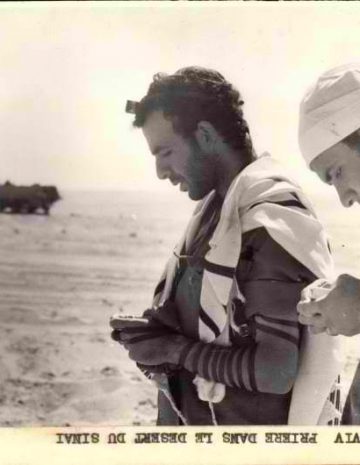

במלאת 50 שנה למלחמת יום הכיפורים, ארכיון המדינה מציג תמונות נבחרות המתמקדות ברגעים אנושיים בתוך המולת המלחמה, כפי שתועדו ע"י צלמי העיתונות הזרה. כותרת התערוכה – 'אז תן שלווה ותן גם כוח', מתוך שירה של נעמי שמר ז"ל – 'לו יהי', הפך להיות מעין שיר תפילה שליכד אזרחים מודאגים, משפחות ממתינות, וחיילים בחזית. אוצרות התערוכה: גליה ויסמן ונורית מדר אלול תשפ"ג
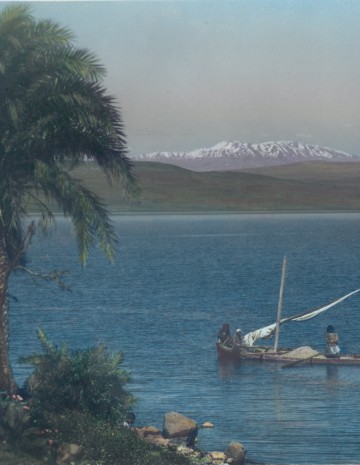
אחד הפריטים היפים והמעניינים בארכיון המדינה הוא "אלבום מצפה". האלבום הוא חלק מ"אוסף הרברט ואדווין סמואל" שנמסר לארכיון על ידי אדווין בנו של הרברט סמואל, הנציב העליון הראשון בתקופת המנדט הבריטי, 1920 – 1925. כריכת האלבום היא מעור זמש ועליה כתוב MIZPAH. באלבום 51 צילומים ובסופו 78 חתימות של חברי "המושבה האמריקנית". בתוך האלבום אין הסבר לתכלית לה הוא נוצר. אולם תוכן האלבום ומיקומו בתוך אוסף משפחת סמואל הביא אותנו...
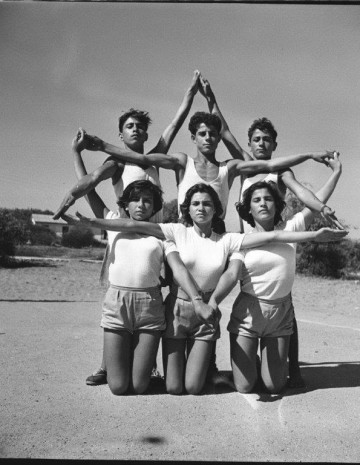
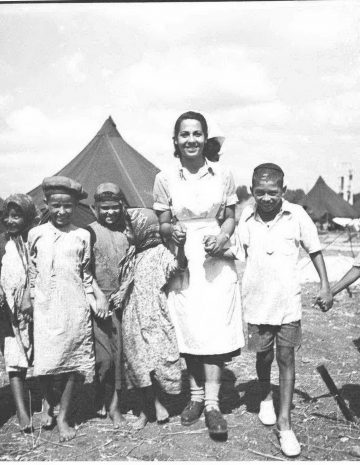
יהודה אייזנשטרק, מחשובי הצלמים של ראשית שנות המדינה, הפקיד אלפים מתצלומיו בארכיון וניתן לראותם כאן באתר. בתערוכה הנוכחית בחרנו להתמקד בתצלומי ילדים משנות החמישים; הילדים שגדלו עם המדינה והיו לדור הבוגרים הראשון הראשון שצמח בה. בצילומיו של אייזנשטרק הם נראים בעיקר ילדים – שמחים, משחקים, עסוקים בענייניהם – ולא נושאי אחריות היסטורית גדולה; ואולם המביט בתמונות איננו יכול שלא לראות את ההקשר ההסטורי הייחודי וכיצד ילדותם מושפעת ממנו.
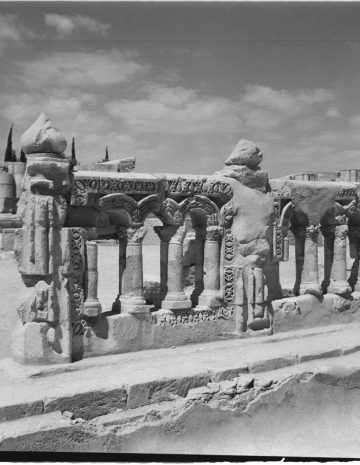

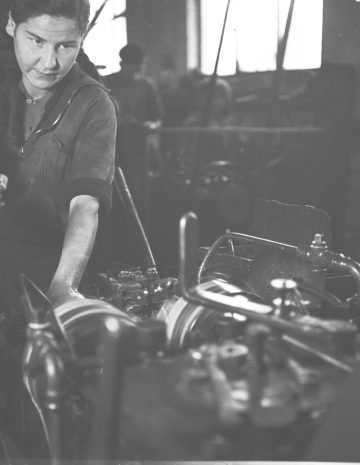
התערוכה מציגה את הפנים היפות של האנשים הצעירים והאמיצים שנשאו בעול המלחמה הקשה והארוכה שבמלחמות ישראל, היא מלחמת העצמאות. בתחילת המלחמה לא היה ללוחמים היהודים אלא נשק קל בכמות מוגבלת והיישוב עמד בפני אתגר קיומי גדול; גבורת הלוחמים הצעירים היא זו שבזכותה קמה מדינת ישראל. בתערוכה נחשף גילם הצעיר מאוד של הלוחמים והלוחמות, משתקפים בעיניהם האמונה בצדקת דרכם, האומץ, וחדוות החיים למרות הקשיים עמם התמודדו.
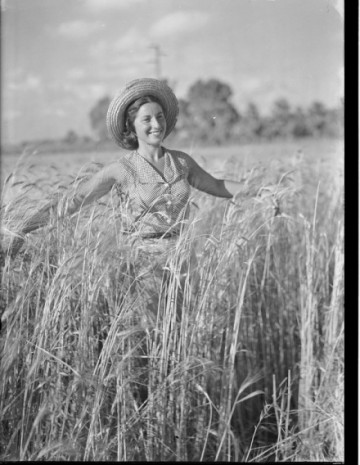
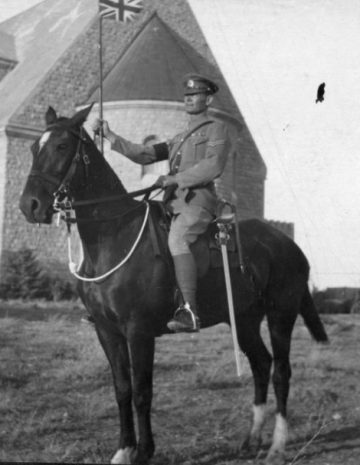
לעת 100 שנים בדיוק לבואו של הנציב העליון הבריטי הראשון סר הרברט סמואל לארץ ישראל אנו מציגים תערוכה על שנות העיצוב של המנדט המבוססת על אוסף עשיר של מסמכים, תמונות וחומרים אחרים שהשאירו אחריהם גופי הממשל הבריטי בארץ ואישים שחיו ופעלו בשנים אלו ושואלים: מה נותר מהמורשת שלו במדינת ישראל של היום, ועד כמה השפיע על עיצוב דפוסיה?
פרסום זה מכיל סרטים עד 1958. על מנת לצפות בסרטים יש להיכנס לקישורים ליו-טיוב בטבלה. ניתן לבצע חיפוש בפרסום עצמו על מנת לאתר את הסרט המבוקש.
לאוסף הסרטים
רוצים הסברים כיצד לאתר מידע באתר? מנסים למצוא מידע ולא מוצאים? כאן המקום לקרוא ולמצוא מידע שימושי לחיפוש.
לאוסף התשובות
עיון בתיקים חדשים שנחשפו לציבור עם יכולות חיפוש מתקדמות. ראו הסבר על רשימת התיקים מתחת לשם האוסף.
לאוסף התיקיםבאוסף זה תוכלו למצוא סרטים ממאגר הסרטים שברשותנו.
הסרטים הינם מתקופות שונות החל מהתקופה העות'מאנית ותקופת המנדט וכלה בתקופת הקמת המדינה ולאחריה.
המאגר מכיל כ- 3,000 סרטים אותם תוכלו לחפש במנגנון החיפוש באתר החדש שלנו או באמצעות ערוץ היוטיוב של ארכיון המדינה.
מוזמנים לשתף ולפרסם את הסרטונים תוך מתן קרדיט לארכיון המדינה.
הקלידו שאלת חיפוש